
Introduction
The rapid growth of artificial intelligence has transformed the way digital content is produced. Today, AI writing systems can generate blog posts, marketing copy, essays, and even technical documentation in seconds. While these tools provide convenience and efficiency, they also raise concerns about authenticity and originality. As a result, many organizations, educators, and publishers are turning to an aiチェッカー to help evaluate whether a piece of text was written by a human or generated by artificial intelligence.
An AIチェッカー—which translates to “AI checker”—is a tool designed to analyze writing patterns and determine the probability that the content was produced by an AI system. These tools have become increasingly valuable in environments where transparency and originality are essential.
What Is an AIチェッカー?
An AIチェッカー is a digital system that evaluates written material using advanced algorithms and language analysis techniques. Unlike traditional plagiarism detectors that compare text with existing sources on the internet, an AIチェッカー focuses on identifying structural and statistical patterns commonly associated with machine-generated writing.
Artificial intelligence models typically produce text using probability-based language generation. Because of this, their writing can display subtle characteristics that differ from human communication. An AIチェッカー examines these characteristics to estimate the likelihood that AI tools were used during the writing process.
Key aspects often analyzed include:
- Sentence predictability
- Vocabulary distribution
- Consistency of tone and structure
- Repetitive phrasing patterns
- Linguistic probability scores
By evaluating these elements, the system can generate a probability estimate rather than a definitive conclusion.
See more: 生成aiチェッカー
Why AIチェッカー Tools Are Becoming Essential
As AI writing assistants become widely available, the demand for verification tools has grown. An AIチェッカー helps organizations maintain credibility, academic integrity, and content quality.
1. Academic Environments
Educational institutions increasingly rely on AI detection tools to help ensure students submit their own work. When used responsibly, an AIチェッカー can assist teachers in identifying assignments that may require closer review.
2. Online Publishing
Content publishers often prioritize originality and human perspective. An AIチェッカー can help editors screen submissions and maintain editorial standards.
3. Business Communication
Companies that produce reports, blogs, or marketing materials may use AI detection to ensure their brand voice remains authentic and consistent.
4. Digital Transparency
Readers are becoming more aware of AI-generated information. Detection tools can help organizations maintain transparency about how content is created.
How an AIチェッカー Analyzes Text
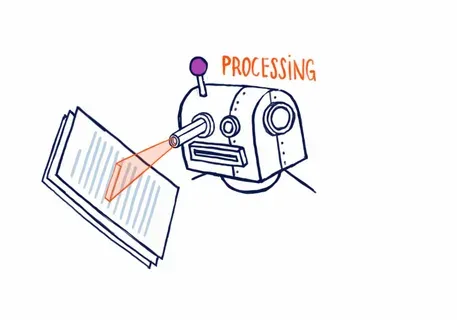
An AIチェッカー works through a series of analytical steps that involve machine learning and linguistic modeling. These systems are trained using large datasets that include both human-written and AI-generated content. By studying these examples, the software learns to recognize patterns that distinguish one from the other.
The process usually follows several stages:
- Text Submission
The user inputs a paragraph, article, or document into the AIチェッカー platform. - Linguistic Pattern Analysis
The system evaluates sentence structure, word frequency, and contextual flow. - Statistical Modeling
The text is compared with patterns learned from training datasets. - Probability Scoring
The tool produces a score indicating how likely the text is to have been generated by AI.
It is important to understand that these results are estimates rather than absolute proof.
Limitations of AIチェッカー Technology
Although AI detection technology continues to improve, an AIチェッカー is not flawless. Several factors can influence its accuracy.
Human Writing Variations
Some human writers naturally produce structured or repetitive sentences, which may resemble AI-generated text.
AI Model Improvements
Modern AI systems are constantly evolving, and their writing style is becoming increasingly similar to human expression.
Editing and Hybrid Content
If AI-generated text is significantly edited by a human, detection tools may find it more difficult to identify the original source.
Because of these factors, AI detection results should be used as supporting insights rather than final judgments.
Best Practices for Using an AIチェッカー
To make the most of an AIチェッカー, users should combine automated analysis with human evaluation. A few effective practices include:
- Reviewing longer text samples instead of very short passages
- Using AI detection alongside plagiarism checking tools
- Evaluating flagged sections manually
- Considering context and writing style before making conclusions
These strategies help ensure fair and responsible use of detection technology.
The Future of AIチェッカー Tools
The development of AI detection tools will likely continue as artificial intelligence becomes more integrated into everyday content creation. Future AIチェッカー systems may incorporate deeper contextual analysis, improved language models, and real-time monitoring capabilities.
Researchers are also exploring ways to enhance transparency in AI-generated content, including watermarking techniques and metadata verification. These innovations could help detection tools become more reliable and easier to integrate into publishing platforms, educational systems, and workplace environments.
Conclusion
The rise of AI-generated writing has created new challenges for maintaining authenticity in digital communication. An AIチェッカー offers a practical solution by analyzing linguistic patterns and estimating whether content may have been produced by artificial intelligence.
Although no detection system can guarantee perfect accuracy, AIチェッカー tools provide valuable insights that help educators, publishers, and organizations protect the integrity of written content. As technology continues to evolve, these tools will play an increasingly important role in ensuring transparency and trust in the digital world. 🤖📚✨
For more information: click here